


HVO Generators
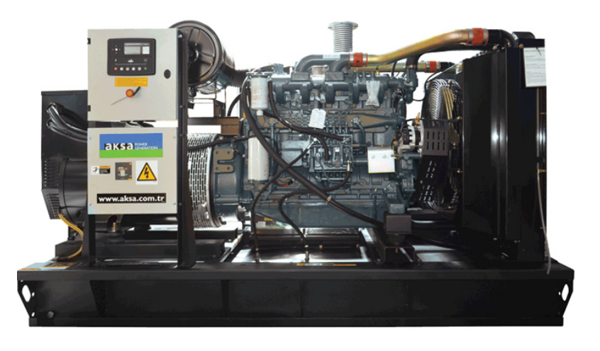
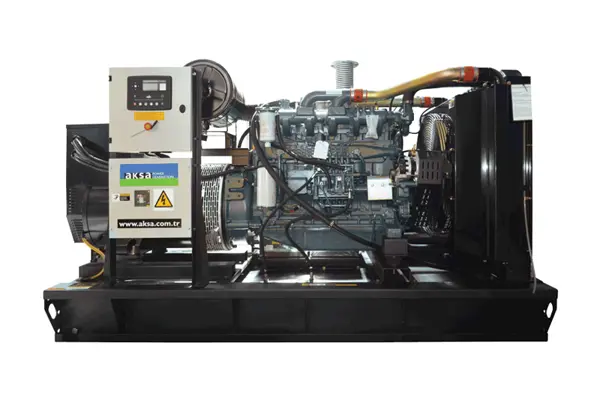
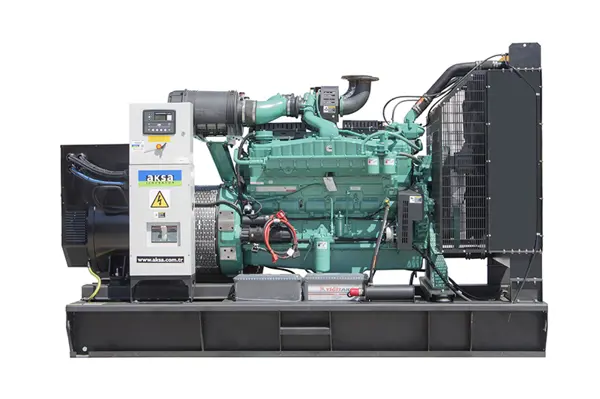
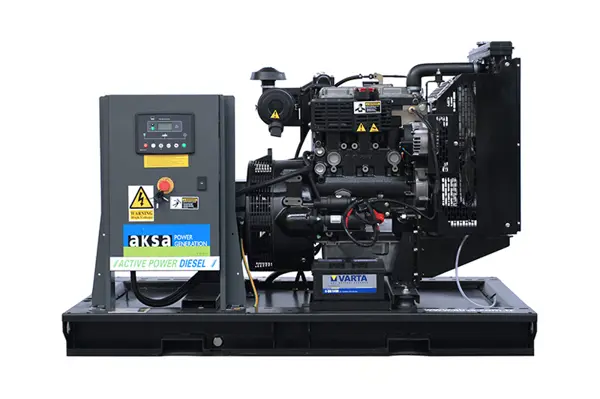
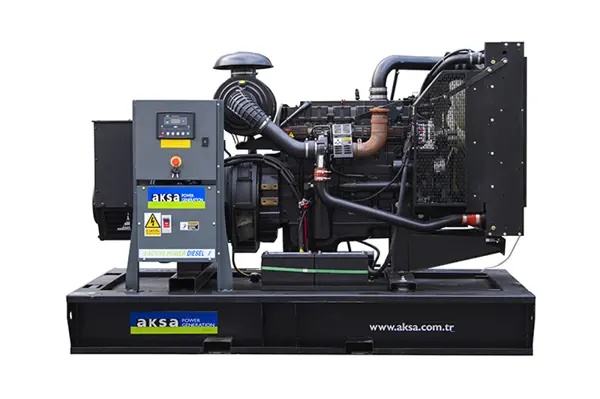
What's HVO?
Hydrotreated Vegetable Oil (HVO) is a type of renewable diesel fuel produced through a process called hydrotreatment using vegetable oils such as rapeseed, soybean, palm, or used cooking oils.
HVO is considered a sustainable alternative to fossil fuels, as it is derived from renewable raw materials and emits significantly lower carbon emissions compared to traditional diesel. It can be used in a variety of applications, including transportation, power generation, and heating.

Owning an Aksa Generator has many important advantages
Sustainably Produced HVO fuel is 100% renewable and certified as sustainable by the International Sustainability and Carbon Certification (ISCC). It is also a second-generation biofuel, meaning it is derived entirely from waste products that would otherwise go to landfill. It should be noted that reputable suppliers ensure HVO production contains no products contributing to deforestation.
Long Storage Life HVO fuel is excellent for long-term fuel storage and can be kept for up to 10 years, making it ideal for applications such as backup generators where prolonged storage is required. The hydrogenation process removes oxygen from the fuel, significantly reducing the risk of degradation or oxidation. Unlike first-generation biofuels, HVO does not absorb water, so it does not create an environment for diesel bugs to thrive. This also eliminates the need for regular fuel testing and maintenance programs to remove water.
Safety Pure hydrotreated vegetable oil is odorless, non-toxic, and biodegradable. As a result, HVO spills and leaks have far less harmful impact on the environment compared to diesel or kerosene. HVO also has a higher flash point than mineral diesel, reducing the risk of fire hazards.
Cold Weather Performance HVO has a much lower freezing point (-40 °C) compared to diesel (-8 °C). While this is generally not a concern in countries like the UK, it is one reason HVO is so suitable for decarbonizing the aviation industry.
Energy Independence Generators provide energy independence. The ability to produce your own energy without relying on the electrical grid is a major advantage, especially in areas where power outages are frequent.
-
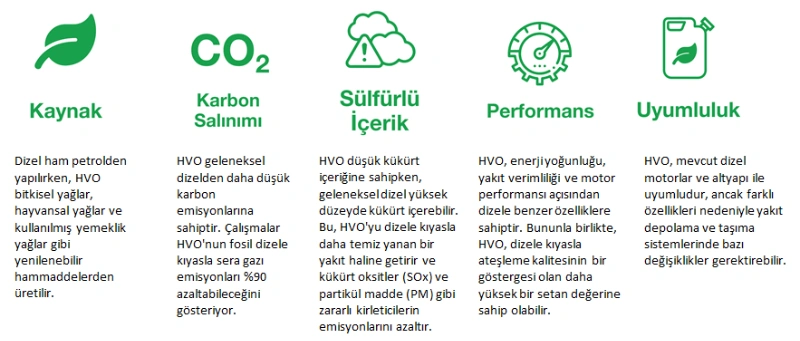
What Are the Differences Between Diesel and HVO?
Hydrotreated Vegetable Oil (HVO) is a type of renewable diesel fuel. While HVO is produced from vegetable oils, conventional diesel fuel is derived from crude oil. Here are some of the key differences between diesel and HVO:
-

What Are the Benefits of HVO?
HVO offers numerous benefits compared to mineral diesel, kerosene, and even first-generation biofuels. These benefits not only contribute to environmental protection and corporate social responsibility but also provide tangible advantages for your business and equipment. The key benefits of HVO include: